



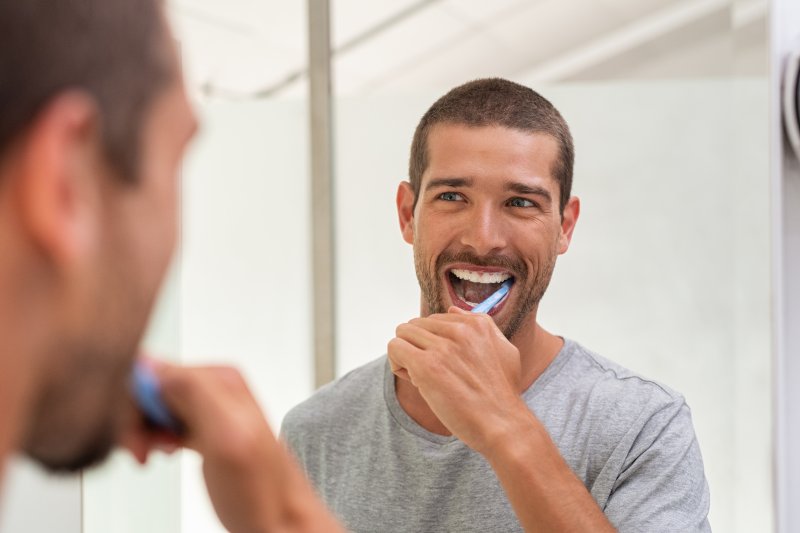
If you’ve heard it once, you’ve probably heard it a thousand times: you should brush your teeth twice daily for two minutes at a time, once in the morning and once at night. That said, timing your brushing habits properly can be tricky when you first wake up for the day. In particular, you might not be sure whether to brush before or after your morning meal. Fortunately, your local dental practice is the best place to learn more about your oral hygiene needs, so here’s a quick look at why brushing your teeth before breakfast in Wethersfield is the ideal option.
Before-Breakfast Brushing Helps Oral Health
While it may be tempting to eat breakfast first thing in the morning, you should brush your teeth first to preserve your oral health by preventing destructive oral infections. Harmful bacteria feed on lingering food debris in your mouth and multiply as you sleep (This growth is part of why you may wake up with so-called “morning breath”). When you brush right after waking, you remove these nasty microbes before they can do serious damage. Plus, the fluoride in your toothpaste protects your enamel from foodborne acids.
After-Breakfast Brushing Harms Enamel
Brushing your teeth after breakfast could harm them since it can spread lingering acids around your smile and weaken your enamel. This could be due to accumulations of food debris like bread, pastries, and other items stuck to your teeth, and the risk of damage increases if you eat or drink anything acidic or sugary like orange juice.
Still, there are measures you can take to reduce this risk. All you’d have to do is wait thirty minutes to an hour after eating to brush your teeth. That way, your mouth will have some time to flush away some of the acids remaining on your smile. You could also drink water or chew sugar-free gum to help reduce the presence of plaque before brushing.
Proper Brushing Tips
Whether you brush before or after breakfast, you should use the proper technique. As such, always remember to follow the steps below:
- First, wet your brush head with some water to lubricate it. You can then add a small amount of fluoridated toothpaste.
- Brush your teeth at an angle to ensure you clean hard-to-reach spots. Furthermore, continue the process for two minutes so you cover your front teeth, your tooth sides, and the chewing surfaces of your pearly whites.
- When brushing, use gentle, short, circular strokes that can remove plaque and food debris without scratching your enamel
- Use your toothbrush to remove the bacterial residue on your tongue that can be a major contributor to bad breath.
- Spit out any leftover toothpaste and rinse your mouth with clean water.
- It’s also a great idea to remember to floss after meals.
As you can see, there’s a good reason for brushing your teeth before breakfast in Wethersfield. Therefore, try to maintain that habit in the future! If you’d like to maximize your chances of avoiding painful oral infections, it’s also crucial to visit your dentist every six months for routine exams and cleanings. These appointments allow your oral health professional to carefully monitor your teeth, address problems in their early stages, and advise you as to better hygiene habits you can implement at home.
About the Author
Dr. Ukti Phadnis is a dentist based in Wethersfield, CT, who earned her DDM from the UConn School of Dental Medicine. Her areas of expertise are preventive, cosmetic, and restorative dentistry as well as emergency care procedures. She also keeps up with the latest dental advances through continuing education courses so she can provide fast and effective treatment. Dr. Phadnis currently practices at Wethersfield Dental Group and is reachable on her website or by phone at (860)-969-2281..