



Dental Bridges – Wethersfield, CT
Quickly “Bridging” Large Smile Gaps
Did you know that losing just one tooth will really harm your smile? In this situation, you’d suffer damage to your good looks, oral health, and quality of life. It’s only natural that missing several adjacent teeth is an even worse problem to have. Luckily, our practice can address the second issue with our dental bridges in Wethersfield. These devices would quickly restore your grin, so read on to learn more about them or set a visit with us.
What is a Dental Bridge?
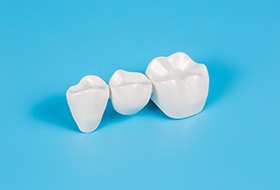
Like other dental restorations, a dental bridge is a prosthetic oral device. It’s often made of materials fused to either side of an artificial tooth (i.e., a “pontic”). That means it can replace one to four teeth at a time, filling fairly large smile gaps.
The best dental bridge candidates are those who’ve lost adjacent teeth. These patients can fully restore their smiles with one treatment, so they stand to benefit the most. Qualifying for treatment isn’t hard otherwise; most adults can get dental bridges with good oral health.
The Types of Dental Bridges
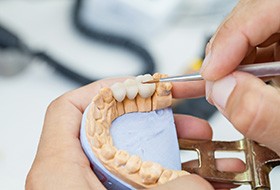
Our dentists will closely assess your smile before your dental bridge treatment. That way, we can tailor your custom treatment plan to your needs. Our team will then know which of the following bridges to suggest for you:
Traditional Dental Bridge
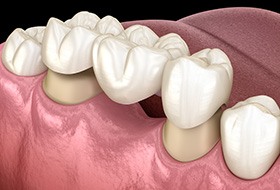
Per its name, a traditional dental bridge is the standard kind that’s seen decades of use. It’s made of dental crowns fused to either side of a pontic or artificial tooth. Given this design, the device uses your nearby teeth or “abutments” to stay in place.
A traditional dental bridge costs less than the other kind; its materials are fairly inexpensive. However, a dentist must remove enamel from the abutments for placement.
Implant Bridge
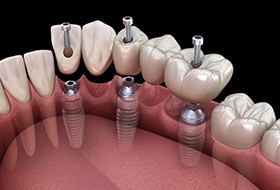
Unlike a traditional one, an implant bridge uses dental implants – metal posts placed in your jaw. These posts slowly fuse with your jawbone, securing your final restoration and keeping it in place. The resulting implant bridge won’t fall or come loose like other prosthetic teeth can.
Because it doesn’t use dental crowns, an implant bridge doesn’t alter existing teeth. We won’t prep any “abutments” to place the device in your mouth. Still, the device can be rather pricey.
The Benefits of Getting a Dental Bridge

Once you have a dental bridge, you’ll enjoy upsides like:
- A Gorgeous Grin– Thanks to its porcelain teeth, a dental bridge will blend seamlessly with your smile. It’ll look beautiful and lifelike as it restores your full grin!
- Easier Eating – Since a dental bridge offers new teeth, it lets you chew tough foods more easily.
- Improved Oral Health – By filling your smile’s gaps, a dental bridge keeps harmful bacteria from spreading in your mouth. It also keeps your other teeth from tilting.
- Enduring Results – The average dental bridge lasts 5-15 years, and those given great care have lifespans of 20 years or more.
A dental bridge from our practice will get rid of your smile’s unsightly spaces. So, consider getting one and see us for a consultation!
Dental Bridges FAQs
How Can I Keep My Dental Bridge in Excellent Condition?
If you want to extend the lifespan of your dental bridge and save as much as possible, you need to take proper care of it. Without regular maintenance, bacteria can infect your natural teeth or gums and require a replacement sooner than anticipated. Fortunately, care is simple! You need to brush twice and floss once every day to keep bacteria-filled plaque from solidifying on your teeth. Also, be sure to remain current with your checkups and cleanings with our team. Your dentist in Wethersfield will make sure any signs of damage are quickly addressed so that your smile always looks its best.
Why Is It Important to Replace Missing Teeth in the Back of the Mouth?
If your lost tooth hides in the back of your mouth, you may think you don’t need a dental restoration at all, but the gap in your arch can impact your remaining teeth. Not only does it make chewing much more difficult in that area of your mouth, but it also allows your other teeth to drift into the space, changing your bite. When you keep your upper and lower teeth appropriately aligned with a replacement tooth or teeth with a bridge or other restoration you can eat more comfortably and retain your confident appearance.
Is a Traditional Bridge Less Expensive Than a Dental Implant for a Single Lost Tooth?
If you are in a financial pinch at the moment, a traditional bridge can have an attractive price tag. It typically involves a much less time-consuming and expensive procedure, giving you back your smile in a matter of weeks, not multiple months. However, before you select a traditional bridge, consider your finances in the long term and your needs and goals. You may find that a single dental implant could end up saving you in the end. During your consultation, we can go through the financial numbers with you in greater detail to help you make the best choice for you.
What Is the Process Like to Get a Dental Bridge?
To receive a dental bridge, after you’ve had a consultation, we will either shave away part of the adjacent teeth on either side of the gap to make room or surgically insert one or two dental implants into the missing spaces. These are the anchors or abutment teeth that support the bridge. Your upper and lower teeth are then digitally scanned, creating an impression and model on the computer for the dental lab to design and fabricate your custom restoration. After the bridge is fabricated, you’ll come back into our Wethersfield office and have your bridge bonded onto the anchor teeth. Just like that, you’ll have your full smile back!