




Wisdom Tooth Extraction – Wethersfield, CT
Remove Troublesome Wisdom Teeth to Protect Your Smile
If you’ve developed a chronic or severe toothache toward the back of your mouth or your jaw has begun to feel sore, you might have wisdom teeth growing in. These third molars often cause issues when they arrive, such as persistent throbbing that can spread to your jaw, neck, and face.
Thankfully, our compassionate team in Wethersfield has the expertise and state-of-the-art equipment to safely remove troublesome wisdom teeth to protect your smile. Continue reading to learn about this common procedure and why it’s recommended more often than not!
Why Choose Wethersfield Dental Group for Wisdom Tooth Extraction?
- General Dentist and Specialists on Staff
- Customized Treatment Plans to Meet Your Unique Needs
- Multiple Payment Options Available
What are Wisdom Teeth?

Wisdom teeth are usually the last permanent teeth to arrive, and typically appear years after the others have already erupted. Most people grow them when they’re about 17 to 25 years old, though they can sometimes show up even later.
It’s believed that our ancient ancestors developed them to survive on a rough diet of roots, plants, berries, and raw meat, which may have damaged their molars during their youth. These third molars would have allowed them to continue biting and chewing more normally. Today, they are vestigial and no longer necessary for survival, and because they can be problematic, removal is often recommended.
Why Do Wisdom Teeth Need to Be Removed?

Wisdom teeth tend to contribute to a variety of concerns in their attempt to clear your gumline that can harm your dental health, such as:
- Severe discomfort. They often cause tooth and jaw aches that don’t subside until they are extracted.
- It’s common for them to push neighboring teeth out of place to make room in your gumline, which can wear down your enamel or contribute to a bite misalignment.
- Additional oral issues. They often only partially clear the gumline, making them harder to brush and floss, increasing the risk of cavities and gum disease.
- They can become trapped in the jawbone and develop a painful infection.
- Sensitive, fluid-filled sacs can form around the roots, causing disease and discomfort.
What to Expect from the Wisdom Tooth Procedure
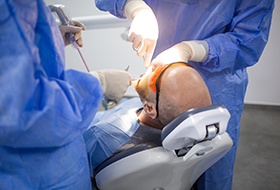
Our team will begin your procedure by applying a local anesthetic so you might feel pressure while we work, but not outright pain. Then, if your wisdom teeth have fully cleared your gumline, there’s a chance that our team can gently elevate them from the socket using a special dental instrument, grasp them with forceps, and gently wiggle them free.
However, wisdom teeth often require surgical extraction, which involves making a small suture in the gums to access the tooth. Then, it may need to be removed in sections to avoid harming the jawbone.
Recovering from Wisdom Tooth Extraction

Your mouth must form a blood clot at the extraction site to prevent a potentially painful complication known as dry socket. Our team will provide detailed post-operative instructions intended to help protect it so you can heal as quickly and efficiently as possible. This often involves:
- Getting lots of rest. Avoid strenuous activities that elevate your heart rate or blood pressure.
- Keep your mouth clean. You can rinse with salt water for the first day, then resume brushing and flossing when you feel more comfortable to avoid infection, decay, and other issues.
- Drink lots of water, but directly from the glass, because using a straw can dislodge your blood clot.
- Stick to softer foods. You can avoid additional aches and irritation by sticking to softer, blander meals, such as scrambled eggs, mashed potatoes, and applesauce.
- Elevate your head at night by sleeping in your favorite recliner or propping yourself up on a pile of pillows to keep blood from pooling painfully behind the extraction site.
Understanding the Cost of Wisdom Tooth Extractions

If you've been told you need your wisdom teeth removed, one of your first questions on your mind is probably about cost. The truth is that wisdom tooth extraction pricing isn't one-size-fits-all; it depends on several factors unique to your situation. Dr. Phadnis will evaluate your teeth and provide a personalized cost estimate during your consultation, so you'll know exactly what to expect before any treatment begins. Our goal is to make the process as transparent and stress-free as possible, and we're happy to walk you through your options every step of the way!
Factors That Can Impact the Cost of Wisdom Tooth Extractions

Several factors can influence the final cost of your wisdom tooth extractions. Every patient's situation is unique, and during your consultation, Dr. Phadnis will carefully review your specific needs and explain how each of the following factors may apply to your case:
- Number of teeth being removed – Some patients need all four wisdom teeth extracted, while others may only require one or two. Generally, the more teeth removed, the higher the overall cost.
- Position and condition of each tooth – Teeth that are more difficult to access or remove require additional time and precision, which can affect pricing.
- Type of anesthesia or sedation used – The level of sedation you choose for your comfort during the procedure can influence the total cost. Some patients opt for local anesthesia alone, while others prefer to be sedated also.
- Additional imaging or pre-treatment needs – X-rays or other diagnostic steps taken before your procedure may also factor into the final cost.
Does Dental Insurance Cover Wisdom Tooth Extractions?

Many dental insurance plans do provide some level of coverage for wisdom tooth extractions, though the exact amount depends on your specific policy. Coverage often falls somewhere in the range of 50% to 80% of the procedure cost. Our team accepts a very wide range of insurance plans and will help verify your benefits ahead of time. We can even file claims on your behalf, making it easier to maximize what your plan covers and minimize your out-of-pocket expenses—all without the headache that sometimes comes with navigating insurance plans!
How to Make Wisdom Tooth Extractions Affordable

Dr. Phadnis and our team believe that cost should never be a barrier to necessary dental care. For patients who need additional financial flexibility, we offer several options to help make wisdom tooth extractions more manageable, including financing through CareCredit. This third-party financer allows you to spread the cost over time with low- or no-interest payment plans, depending on the terms you qualify for. Contact us today to schedule a consultation with Dr. Phadnis and learn more about how we can help you move forward with your care!
Wisdom Tooth Extractions FAQs
Why Do We Have Wisdom Teeth?
It seems like wisdom teeth cause nothing but problems. However, they benefited our early human ancestors. Early humans subsisted on a diet of raw foods, including meat, berries, nuts, roots, and leaves. They didn’t cut up their food or even cook it. Chewing these foods required a broader jaw with strong molars. Back then, their large jaws easily accommodated the wisdom teeth, so they rarely caused problems. Today, we eat softer foods that are cooked, baked, cut, or otherwise prepared. This makes the wisdom teeth no longer necessary for most people. On top of that, our jaws aren’t as wide as they used to be, so the wisdom teeth can cause issues when erupting. Ultimately, it is best for many patients to have these molars extracted so they don’t lead to complications.
Is Wisdom Teeth Removal Painful?
The first step when removing wisdom teeth is to numb the mouth with a local anesthetic. You will also most likely be sedated, lowering your body’s ability to register pain. You can expect the procedure to be completely painless. However, you will likely experience some soreness for several days after you recover. By closely following your dentist’s aftercare guidelines, you should feel back to yourself within a few weeks.
Does Everyone Have Wisdom Teeth?
Most people have four wisdom teeth that erupt in late adolescence or early adulthood. However, some people are missing wisdom teeth and others aren’t born with any at all. In a 2015 article published by the Dental Research Journal, it is estimated that anywhere from 5% to 37% of people are missing one or more of their wisdom teeth. It is unknown why some people don’t develop all of their third molars, but genetics likely play a role. If one of your parents is missing wisdom teeth, this may apply to you as well. A dental X-ray is the best way to tell how many wisdom teeth you have.
How Long Does It Take to Have Wisdom Teeth Removed?
On average, it takes about 15 to 20 minutes to extract each tooth. Removing all four can take up to 90 minutes. The time that it takes varies depending on the tooth’s location position, and whether it’s impacted. During your consultation, we can give you a more specific estimate so you can plan accordingly.