



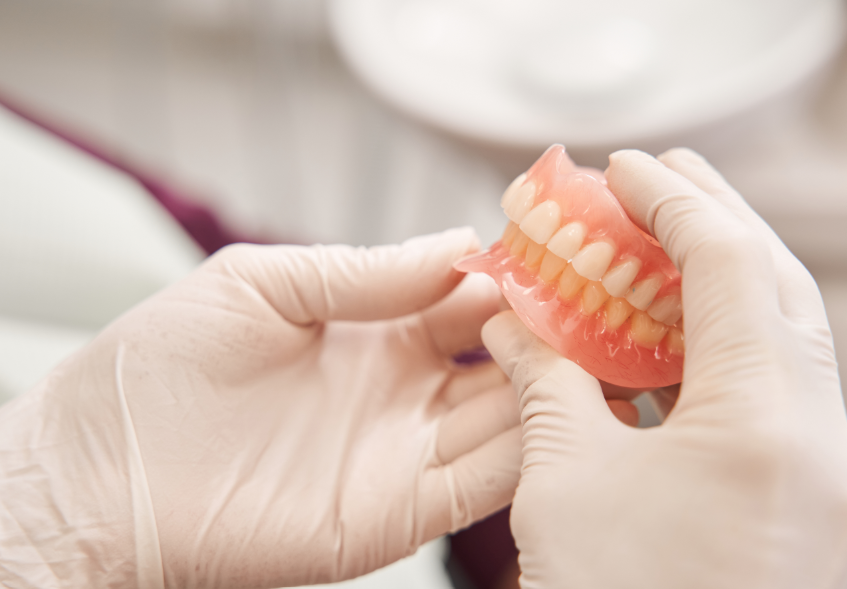
Dentures can be life-changing for people who have lost teeth. They restore the ability to eat comfortably, improve speech, and help patients feel more confident about their smiles. However, like natural teeth, dentures require proper care and maintenance to continue supporting your oral health.
Over time, dentures can become worn, damaged, or loose. While an uncomfortable denture may seem like a minor inconvenience, an ill-fitting restoration can cause more than soreness. In some cases, ongoing irritation combined with certain lifestyle factors may increase the risk of serious oral health concerns, including oral cancer.
Understanding the connection between denture fit, oral irritation, and overall health can help you protect your smile.
How Dentures Can Become Ill-Fitting Over Time
Dentures are designed to fit securely against your gums and supporting tissues. However, your mouth naturally changes over time. The jawbone can gradually shrink after tooth loss, which may alter the shape of your gums and affect how your dentures fit.
Normal wear and tear can also impact dentures. Materials can become worn down, and older restorations may no longer provide the stability or comfort they once did.
Signs that your dentures may no longer fit properly include:
- Dentures slipping or moving while speaking or eating
- Sore spots or irritated gums
- Difficulty chewing certain foods
- Clicking sounds while wearing dentures
- Changes in how your bite feels
If you notice these issues, your dentist can evaluate whether an adjustment, relining, or replacement is needed.
The Connection Between Denture Irritation and Oral Health
A properly fitted denture should rest comfortably and allow your mouth to function normally. However, dentures that constantly rub against soft tissues can create repeated irritation, sores, and inflammation.
Chronic irritation does not mean that dentures directly cause oral cancer. However, ongoing trauma to the tissues may contribute to an unhealthy oral environment, especially when combined with other known risk factors.
Regular dental checkups are important for denture wearers because they allow your dentist to identify areas of irritation early and examine your mouth for any concerning changes.
Tobacco and Alcohol Can Increase Oral Cancer Risk
While ill-fitting dentures alone are not considered a direct cause of oral cancer, certain habits can significantly increase risk. Tobacco use and heavy alcohol consumption are two of the most well-established risk factors for cancers of the mouth and throat.
For people who use tobacco or frequently consume alcohol, maintaining a comfortable, well-fitting denture is especially important. Reducing unnecessary irritation and receiving routine oral health screenings can help support early detection and prevention efforts.
If you use tobacco, talk with your healthcare providers about resources that can help you quit. This single lifestyle change can have major benefits for your oral and overall health.
Protecting Your Smile With Proper Denture Care
Taking care of your dentures is about more than keeping them clean. It also means paying attention to how they fit and how your mouth feels.
Avoid trying to repair dentures yourself with household adhesives or DIY solutions, as these may cause additional problems. Instead, schedule an appointment with your dentist if your dentures feel uncomfortable or no longer function properly.
Regular dental visits are important even if you no longer have natural teeth. Your dentist can check your dentures, examine your gums and oral tissues, and help you maintain a healthy mouth.
Your dentures should help you enjoy daily life—not cause ongoing discomfort or irritation.
About the Practice
At Wethersfield Dental Group, the team provides comprehensive dental care focused on helping patients maintain healthy, comfortable smiles at every stage of life. The practice offers denture services to help restore function, appearance, and confidence for patients experiencing tooth loss. With a personalized approach to treatment, the team works with patients to ensure their restorations fit properly and support long-term oral health.
Call us at (860) 400-3007 or schedule your appointment online.